Find your visa in 10 seconds
Tell us why you are coming to Bali — we will recommend the right visa and reply on WhatsApp.
Choose your Bali visa
C5A Creator / Remote Worker Visa
Remote workers, content creators, freelancers
Check eligibility →E33G Digital Nomad KITAS
Income-earning nomads (no local sponsor PT)
Check eligibility →Prices are our all-in agency service estimates, not official government fees. Final cost depends on nationality, duration and sponsor. This is general information, not legal advice.
How it works — 4 simple steps
- 1. Free consultationMessage us your plan; we confirm the right visa & documents.
- 2. Document preparationWe prepare forms, sponsor letter & checklist with you.
- 3. We file & sponsorOur sponsor partner files on the e-visa portal and tracks it to a decision.
- 4. ApprovedYou receive your e-visa / KITAS by email — we stay available for renewals.
What you will need
Passport & photo
Proof of funds / income
Sponsor / invitation
Purpose details
Why applicants trust Secondhomevisabali
Bali immigration as our single focus, transparent pricing, sponsor partners, and one dedicated concierge from first message to approval. We answer real questions — no bots, no hidden fees.
About us · Our team · Concierge service
Talk to a visa specialist on WhatsApp
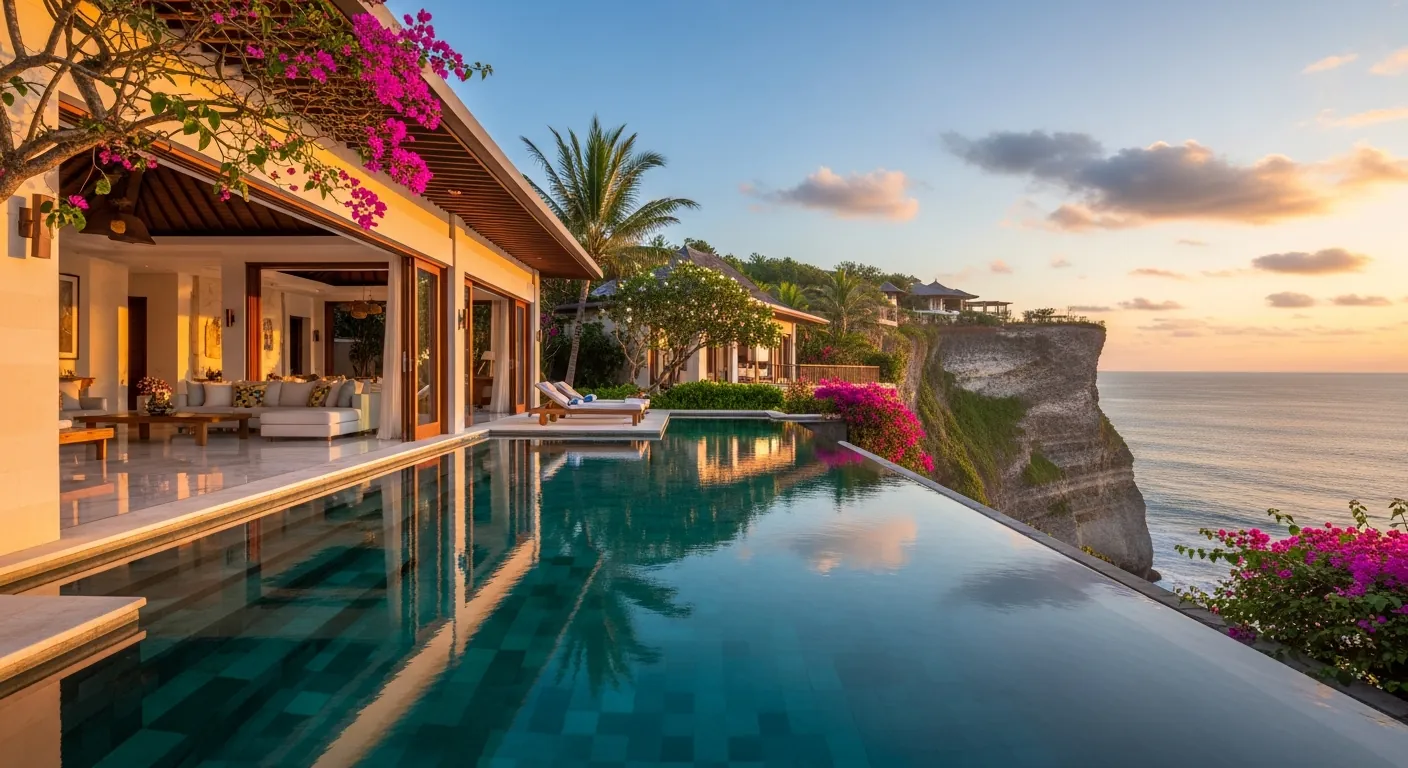
The Second Home Visa Bali is a dedicated residency permit introduced by the Indonesian government in 2022, offering qualified foreign nationals a long-term stay of 5 or 10 years. This program, officially known as KITAS Rumah Kedua, is designed for high-net-worth individuals seeking extended periods in Indonesia without local employment rights. Eligibility hinges on demonstrating substantial financial capacity, typically through a minimum IDR 2 billion deposit in an Indonesian bank or equivalent luxury real estate ownership. It provides a structured legal pathway for those who wish to establish Bali as a long-term base, supporting the local economy through investment and expenditure rather than direct workforce participation. This visa facilitates a stable, comfortable presence for global citizens drawn to Indonesia’s unique appeal.
Understanding the Second Home Visa Bali Landscape
The scent of frangipani drifts on the tropical breeze, mingling with the distant sound of gamelan music, a constant, subtle reminder of the island’s enduring pulse. Here, the equatorial sun warms ancient stone temples and modern villas alike, setting a rhythm of life that draws individuals seeking a measured pace. The Second Home Visa Bali offers a direct pathway to extended Indonesian residency, specifically designed for those evaluating Bali as a long-term base. This program, officially known as KITAS Rumah Kedua, allows qualified foreign nationals to reside in Indonesia for 5 or 10 years without requiring local employment rights. The Indonesian government introduced the Second Home Visa program in 2022, creating a dedicated long-term stay option for wealthy foreigners, investors, and retirees. Its implementation marked a strategic shift to attract high-net-worth individuals, providing a structured legal framework for their extended stay. The visa’s primary purpose is to facilitate a comfortable, long-term presence on the island for those who contribute to the local economy through investment and expenditure, rather than through direct employment in the Indonesian workforce. This distinction is crucial for applicants planning their lifestyle in Bali. The program recognizes the unique appeal of Bali as a destination for global citizens, offering a clear, government-sanctioned route for establishing prolonged residency. Applicants must be prepared to meet specific financial thresholds and administrative requirements, which underpin the visa’s integrity and purpose. This approach aligns with Indonesia’s broader immigration policy goals, which aim to attract quality investment and enhance the nation’s appeal as a destination for international talent and capital. The Second Home Visa provides a secure legal status, removing the complexities often associated with shorter-term visitor visas and offering a stable foundation for long-term residents.
Unlike short-term options that primarily cater to tourism visits, the Second Home Visa is a serious commitment to long-term residence. It signifies an intent to integrate into the local community and economy over an extended period. This particular home visa category is distinct from options like the retirement visa or the emerging digital nomad visa, each serving different purposes and having unique eligibility criteria. Understanding these distinctions is vital for any prospective applicant. The Second Home Visa is explicitly designed for those who can financially support themselves and their lifestyle in Indonesia without engaging in local employment, making it an attractive option for high-net-worth individuals, investors, and affluent retirees.
Eligibility Requirements for the Second Home Visa
Securing a Second Home Visa hinges on meeting specific criteria, primarily demonstrating substantial financial capacity. These requirements are in place to ensure that visa holders are self-sufficient and contribute positively to the Indonesian economy through their presence and expenditure. The core of the eligibility revolves around financial proof, which can be satisfied through a bank deposit or property ownership.
Proof of Funds: The Financial Threshold
The most direct way to demonstrate eligibility for the Second Home Visa is by providing evidence of significant financial resources. Applicants must show proof of funds amounting to a minimum of IDR 2 billion. This substantial sum is designed to ensure the applicant’s financial independence throughout their stay in Indonesia. This proof can typically be presented in one of two ways:
- Bank Deposit: The most common method involves depositing funds into an indonesian bank account. Specifically, the regulation often requires this deposit to be held in a state owned bank in Indonesia. This deposit must be maintained for the duration of the Second Home Visa. The act of placing these deposit funds serves as a clear indicator of financial readiness and commitment to the Indonesian economy.
- Equivalent Luxury Real Estate Ownership: Alternatively, applicants can demonstrate eligibility through ownership of luxury real estate in Indonesia. The property must have a minimum value equivalent to or exceeding IDR 2 billion. This option caters to individuals who prefer to invest in tangible assets rather than liquid cash.
The requirement for such a significant amount underscores the government’s intention to attract individuals who can make a substantial economic contribution without competing for local jobs. This financial prerequisite is a cornerstone of the Second Home Visa program.
Property Ownership as a Qualification
For those who prefer to invest in physical assets, the option to qualify for the Second Home Visa through property ownership is highly appealing. Instead of a cash deposit, applicants can present proof of owning luxury real estate in Indonesia. This real estate must have an assessed value equivalent to the IDR 2 billion financial threshold. The ability to purchase property as a means of qualification offers flexibility and caters to a different investment strategy. It allows individuals to establish a long-term base through a tangible asset, aligning with the spirit of a “second home.” Details regarding the type of property, its legal status, and the valuation process are critical and should be thoroughly investigated by prospective applicants. This alternative pathway for the Second Home Visa highlights Indonesia’s openness to foreign investment in its real estate sector, particularly within the luxury market.
The Application Process for Your Second Home Visa
Applying for the Second Home Visa involves a structured process, primarily managed through Indonesia’s digital immigration systems. Understanding each step is crucial for a smooth and successful visa application.
Immigration Office and Electronic Visa System
The application for a Second Home Visa is generally initiated online, utilizing the Indonesian government’s digital platforms. This modern approach streamlines the process, reducing the need for multiple physical visits to an immigration office. Applicants will typically access the official immigration website to begin their application. The system facilitates the submission of required documents and information, leading to the issuance of an electronic visa, or e visa.
Key documents generally required for the Second Home Visa application include:
- A valid passport with at least thirty six months of validity remaining from the date of entry.
- Recent passport-sized photographs.
- Proof of the IDR 2 billion financial requirement (bank statement or property ownership certificate).
- A statement of no intention to work in Indonesia.
- Proof of health insurance.
- A return ticket or onward ticket (though for long-term visas like this, an onward ticket may be more relevant than a strict return).
Careful attention to detail when uploading documents and filling out forms is paramount to avoid delays. The digital nature of the Second Home Visa application process means that most interactions, from submission to approval, occur electronically, making it accessible from anywhere in the world.
From Visa Application to Stay Permit
Once the initial visa application for the Second Home Visa is submitted through the online portal, it undergoes review by the Indonesian immigration authorities. If approved, applicants will receive an approval letter or an e visa that allows them to enter Indonesia. Upon arrival, the visa holder will then proceed to convert their visa into a limited stay permit, known officially as a KITAS (Kartu Izin Tinggal Terbatas). This stay permit is the actual residency card that grants the individual the right to reside in Indonesia for the approved 5 or 10-year period. The process of obtaining the KITAS usually involves reporting to a local immigration office shortly after arrival for biometric data collection (fingerprints and photo) and the issuance of the physical card. This two-step process—initial visa approval followed by the issuance of a stay permit—is standard for long-term residency in Indonesia, ensuring a comprehensive registration of the foreign national.
Life as a Second Home Visa Holder in Indonesia
Being a second home visa holder opens up a unique lifestyle in Indonesia, offering extended stays and a chance to immerse oneself in the local culture. However, it comes with specific rights and responsibilities that must be understood and adhered to.
Rights and Responsibilities of a Second Home Visa Holder
The primary benefit of the Second Home Visa is the ability to reside in Indonesia for an extended period, either 5 or 10 years, without the need for frequent visa renewals. This stability allows for deeper integration into the community and a more settled lifestyle. However, a crucial aspect of this home visa is the explicit restriction on local employment. A second home visa holder is not permitted to work for an Indonesian company or engage in any form of paid employment within Indonesia. The visa is designed for individuals who are financially independent and contribute to the economy through their investments and personal spending. Responsibilities include maintaining the financial requirements, adhering to Indonesian laws, and ensuring that all personal information with immigration authorities remains current. Compliance with these regulations is vital for maintaining the validity of the Second Home Visa.
Bringing Family Members Under the Home Visa Umbrella
One of the significant advantages of the Second Home Visa is the provision for family members to join the primary visa holder. This allows for a cohesive family unit to establish a long-term base in Indonesia. The primary home visa holder can sponsor their immediate family, which typically includes a spouse and dependent children. The process involves demonstrating the family relationship through official documents. For a spouse, a marriage certificate is required. For children, a birth certificate is necessary to prove the familial link. Each family member will also undergo their own visa application process, albeit sponsored by the primary applicant. Upon approval, they will also be issued a second home itas, granting them a corresponding limited stay permit. This ensures that the entire family can enjoy the benefits of the Second Home Visa, living together in their Indonesian second home. Additionally, a family card might be issued by local authorities after settling, further recognizing their residency status.
Entering Indonesia with Your Second Home ITAS
Once your Second Home Visa application is approved and you receive your electronic visa, the next step is entering Indonesia. Upon arrival at an international airport, you will present your passport and the approved e visa or approval letter to immigration officials. The immigration officer will verify your documents and stamp your passport. Following this, as mentioned, you will typically need to visit a local immigration office within a specified period to complete the process of obtaining your physical KITAS, which is your official second home itas. This card serves as your identification and proof of your legal residency status in Indonesia. It is essential to carry this card with you, especially when traveling within Indonesia. The smooth entry process is the structured nature of the Second Home Visa program, designed to welcome long-term residents efficiently.
Comparing the Second Home Visa with Other Indonesian Residency Options
Indonesia offers several long-term residency options, and understanding how the Second Home Visa differs from others is crucial for making an informed decision. Each visa category serves a distinct purpose and caters to different applicant profiles.
Second Home Visa vs. Retirement Visa
The retirement visa is another popular option for foreigners seeking long-term stays in Indonesia, particularly for those over a certain age (typically 55 years old). While both the Second Home Visa and the retirement visa allow for extended residency without employment, their core requirements and target demographics differ. The retirement visa focuses on retirees who can demonstrate a stable pension or sufficient funds to support themselves, often with a lower financial threshold than the IDR 2 billion required for the Second Home Visa. The Second Home Visa, on the other hand, is not age-restricted and targets high-net-worth individuals who may or may not be retired, emphasizing significant investment or wealth rather than a steady retirement income. Both grant a limited stay permit, but the pathways to eligibility are distinct.
Second Home Visa vs. Digital Nomad Visa
The concept of a digital nomad visa for Indonesia has been widely discussed and anticipated, aiming to attract remote workers. While some existing visas (like certain business or social-cultural visas) have been used by digital nomads, a dedicated, long-term digital nomad visa with specific tax incentives is still under development or has specific nuances. The key difference between a potential digital nomad visa and the Second Home Visa lies in the allowance for remote work. A digital nomad visa would explicitly permit working for foreign companies while residing in Indonesia, often with certain tax exemptions. The Second Home Visa, conversely, strictly prohibits any form of local employment or income generation within Indonesia, focusing purely on residency based on external wealth. This makes the Second Home Visa suitable for those who are truly not working, or whose income is entirely passive or generated outside of Indonesia.
Exploring Family Visa Options
Beyond the primary applicant visas, Indonesia also provides various family visa options, which are often tied to a primary visa holder’s status. For instance, a foreign national married to an Indonesian citizen might apply for a different type of home visa based on their marital status. Similarly, children of Indonesian citizens or long-term foreign residents have specific visa pathways. While the Second Home Visa allows for the sponsorship of immediate family members, these family visas are derivatives of the primary applicant’s status. Other family visa categories exist for different scenarios, such as joining an expatriate working in Indonesia (under a different type of KITAS). It’s important to differentiate these from the Second Home Visa‘s family sponsorship, which is specifically designed to extend the benefits of the “second home” status to the immediate family unit of the primary visa holder.
Long-Term Prospects: Extending Your Stay and Beyond
The Second Home Visa is designed for long-term residency, but understanding the renewal process and potential pathways to more permanent status is essential for those planning an indefinite stay in Indonesia.
Renewing Your Second Home Visa and Limited Stay Permit
The Second Home Visa is issued for either 5 or 10 years. As the expiry date approaches, holders will need to initiate the renewal process to extend their limited stay permit. This typically involves reapplying through the immigration office or its online portal, demonstrating continued adherence to the eligibility criteria. This would include providing updated proof of funds or property ownership, ensuring that the IDR 2 billion threshold is still met. The renewal process for the Second Home Visa is generally straightforward, provided the visa holder has maintained good standing and complied with all Indonesian laws during their stay. It’s advisable to begin the renewal process well in advance of the expiry date to avoid any lapses in legal residency.
Pathways to Permanent Residency
While the Second Home Visa itself is a long-term stay permit, some individuals may aspire to achieve permanent residency (KITAP – Kartu Izin Tinggal Tetap) in Indonesia. The pathway from a limited stay permit (KITAS) to permanent residency typically involves holding a KITAS for a continuous period, often for a minimum of five consecutive years (or thirty six months in some specific cases, followed by a renewal and then eligibility for KITAP). While the Second Home